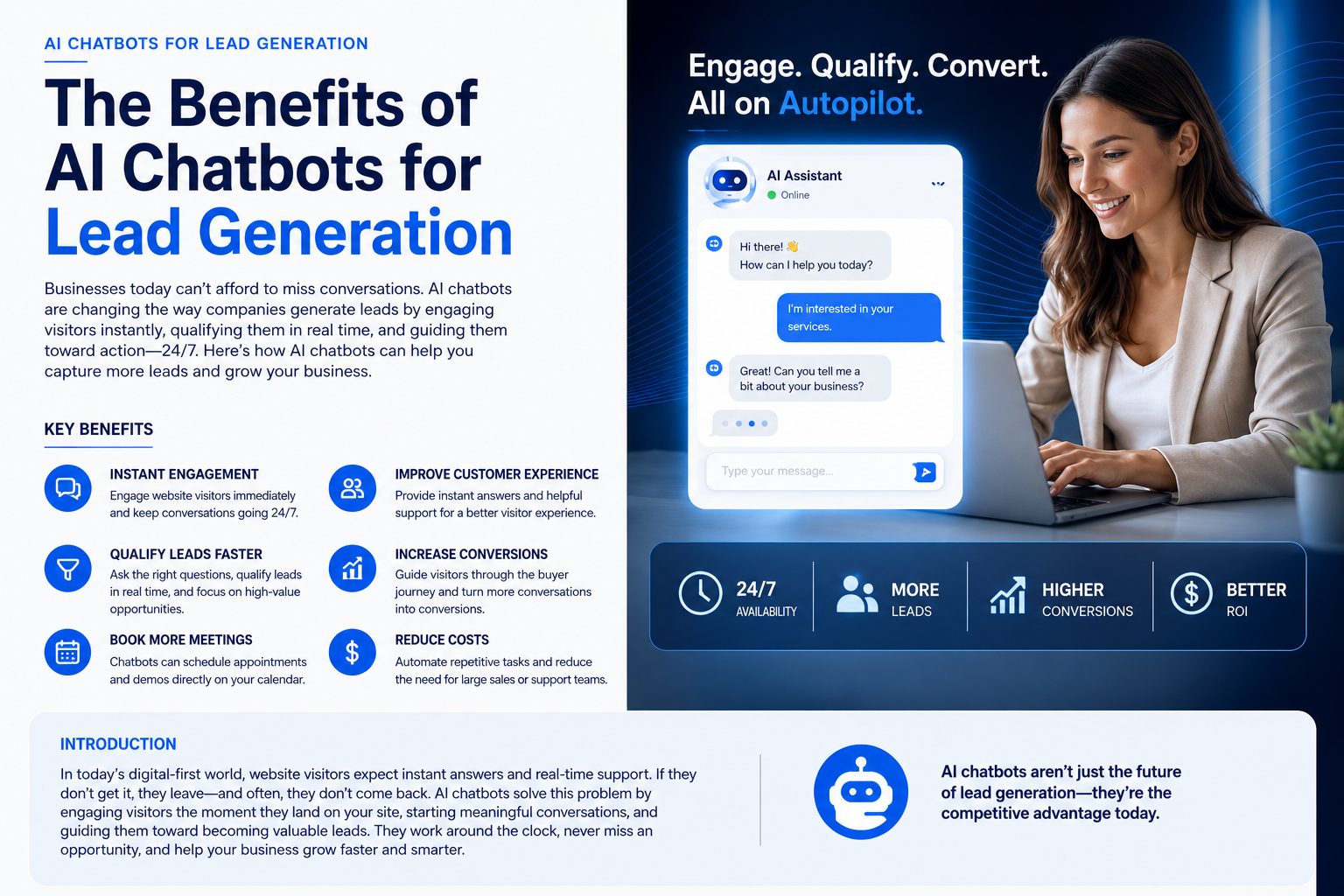
The Benefits of AI Chatbots for Lead Generation
In today’s fast-evolving digital landscape, businesses are continually seeking innovative ways to generate and nurture leads more effectively. One technology that has emerged as a game-changer is AI chatbots. These intelligent virtual assistants not only enhance customer interactions but also optimize the lead generation process, saving time and resources while increasing conversion rates.
What Are AI Chatbots?
AI chatbots are computer programs powered by artificial intelligence designed to simulate human-like conversations with users. Utilizing natural language processing (NLP) and machine learning, these chatbots can understand, respond to, and engage with users in real-time, 24/7.
Why Lead Generation Matters
Lead generation is the foundation of any successful sales funnel. Gathering and qualifying potential customers allows a business to focus its sales efforts, personalize marketing strategies, and ultimately increase revenue. However, traditional lead generation methods can be labor-intensive, slow, and inefficient — often requiring human agents to manually engage and qualify prospects.
Key Benefits of AI Chatbots for Lead Generation
1. 24/7 Customer Engagement
AI chatbots provide round-the-clock availability, allowing businesses to interact with visitors regardless of time zones or working hours. This constant presence means leads can be captured and nurtured whenever the prospect chooses to engage, reducing the chances of missed opportunities.
2. Instant Responses Improve User Experience
Modern consumers expect quick answers. Chatbots deliver instant responses to queries, helping visitors get the information they need without delay. This heightened responsiveness keeps users engaged and encourages them to share more details, aiding in lead qualification.
3. Automated Lead Qualification
AI chatbots can ask tailored questions during conversations to assess the lead’s needs, budget, and readiness to purchase. By qualifying leads automatically, chatbots prevent wasted time on non-serious prospects and enable sales teams to focus on high-quality leads.
4. Data Collection and Personalization
During chats, AI chatbots collect valuable data such as contact details, preferences, and behavioral patterns. This information can then be used to personalize follow-up communication and marketing campaigns, ensuring a more targeted approach.
5. Scalability and Cost Efficiency
Unlike human agents, chatbots can simultaneously handle thousands of conversations with no drop in quality. This scalability reduces the need for large customer service teams, lowering operational costs while maintaining high engagement levels.
6. Seamless Integration with CRM Systems
Most AI chatbots can integrate with customer relationship management (CRM) platforms, automatically transferring lead information into databases. This seamless integration simplifies tracking, nurturing, and reporting, giving sales teams easy access to up-to-date lead records.
Real-World Examples of AI Chatbots in Lead Generation
Many industries have adopted AI chatbots to boost their lead generation efforts:
- Real Estate: Chatbots qualify property seekers by asking about budget, location preferences, and property type before scheduling viewings.
- Retail: Bots recommend products based on user responses and collect emails for promotional campaigns.
- Financial Services: Chatbots guide users through selecting insurance plans or investment options, capturing contact details for follow-up.
- Education: AI bots assist prospective students with course selections and admission queries, generating leads for enrollment teams.
Best Practices for Implementing AI Chatbots
- Design Clear Conversation Flows: Ensure the chatbot asks the right questions to qualify leads effectively without frustrating users.
- Personalize Interactions: Use user data and context to make conversations relevant and engaging.
- Train Regularly: Continuously improve chatbot intelligence through machine learning and update it based on feedback.
- Use Human Escalation: Allow chatbots to transfer complex queries to live agents when necessary, ensuring a smooth customer experience.
- Integrate With Marketing Tools: Connect chatbots with CRM, email marketing, and analytics tools for streamlined lead management.
Conclusion
AI chatbots are transforming lead generation by providing instant, personalized, and scalable customer engagement solutions. They enable businesses to capture and qualify leads efficiently, reduce operational costs, and enhance overall sales productivity. Implementing AI chatbot technology smartly can give any company a competitive edge in attracting and nurturing prospects in today’s digital marketplace.

